Forged Aluminum Wheel Products
Specialized forged aluminum wheels for heavy-duty trucks, buses, and passenger cars — engineered for strength, weight savings, and fuel efficiency.

Product Range
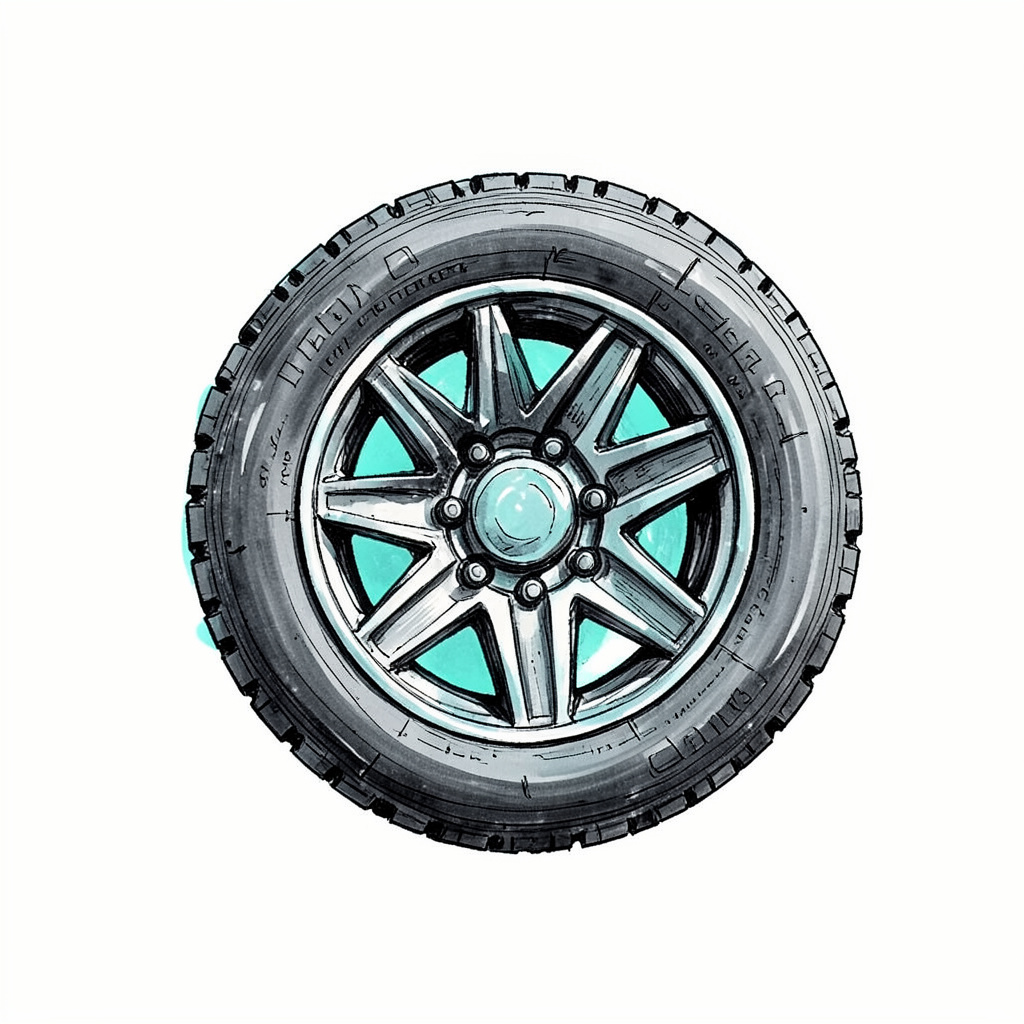
Truck & Bus Wheels
Forged aluminum wheels built for commercial heavy-duty applications. Lighter than steel, reducing unsprung mass and improving fuel economy.
Quality standards →
Passenger Car Wheels
High-strength forged wheels for passenger vehicles, combining performance aesthetics with lightweight engineering.
Technology →
Forged Blanks & Components
Semi-finished forged blanks and precision components for downstream machining and custom wheel manufacturing.
Inquire →
Technical Specifications
Our forged aluminum wheels are produced using advanced forging processes that align the metal grain structure for superior strength-to-weight ratios. Product user manuals and detailed technical documentation are available for each wheel series.
| Parameter | Typical Range |
|---|---|
| Material | 6061-T6 Forged Aluminum |
| Diameter | 17.5″ – 22.5″ (commercial) |
| Weight Savings | Up to 40% vs. steel equivalent Forged aluminum wheels represent a significant advancement in wheel manufacturing technology, offering distinct advantages over traditional cast or steel alternatives. The forging process involves applying immense pressure to a solid aluminum billet, reshaping the metal while maintaining its continuous grain structure. This method results in a wheel that is inherently stronger and more durable than cast wheels, which can have internal voids or weak points. The superior strength-to-weight ratio of forged aluminum allows manufacturers to create wheels that are substantially lighter than steel equivalents without compromising load-bearing capacity. This weight reduction translates directly into tangible benefits for vehicle operators, including improved fuel efficiency through reduced rotational mass and lower unsprung weight that enhances suspension responsiveness and overall ride quality. For heavy-duty commercial applications such as trucks and buses, forged aluminum wheels offer particularly compelling advantages. The significant weight savings compared to traditional steel wheels can reduce overall vehicle weight by hundreds of pounds, allowing for increased payload capacity or improved fuel economy. Fleet operators benefit from reduced tire wear due to the precise dimensional accuracy of forged wheels, which maintain true roundness and better heat dissipation during prolonged braking. The corrosion resistance of aluminum also extends wheel life in harsh operating environments where road salt and moisture accelerate steel wheel deterioration. Additionally, the reduced unsprung mass improves tire contact with the road surface, leading to better handling characteristics and potentially shorter stopping distances for heavy vehicles operating under demanding conditions. Passenger car enthusiasts and performance-oriented drivers have long recognized forged aluminum wheels as the premium choice for their vehicles. The forging process enables the creation of intricate spoke designs and lightweight structures that would be impossible to achieve with casting methods while maintaining structural integrity. These wheels offer the perfect balance of aesthetic appeal and functional performance, with the ability to reduce rotational inertia significantly. Lower rotational mass means quicker acceleration and more responsive braking, as less energy is required to change the wheel's speed. Forged wheels also tend to run cooler than their cast counterparts due to better thermal conductivity of the forged aluminum structure, which helps preserve brake component life and maintain consistent performance during spirited driving or track use. The manufacturing process behind forged aluminum wheels involves several precise stages that contribute to their superior quality. It begins with selecting high-grade aluminum alloy billets, which are heated to a specific temperature range that makes the metal malleable without reaching its melting point. The heated billet is then placed into a forging press that applies thousands of tons of pressure, forcing the metal to flow into the desired shape within a die. This compression aligns the internal grain structure of the aluminum along the contours of the wheel, creating a component with exceptional fatigue resistance and impact strength. After forging, the wheel undergoes heat treatment to optimize its mechanical properties, followed by precision machining to achieve exact bolt patterns, center bores, and surface finishes that meet stringent specifications. Choosing forged aluminum wheels represents an investment in quality that pays dividends over the long term through reduced operating costs and enhanced vehicle performance. While the initial acquisition cost is higher than that of cast or steel wheels, the total cost of ownership often proves favorable when accounting for fuel savings, extended tire life, and reduced maintenance requirements. The dimensional stability of forged wheels means they remain true and balanced longer, reducing the need for frequent rebalancing and minimizing vibration-related wear on suspension components. Furthermore, forged aluminum wheels are fully recyclable at the end of their service life, aligning with sustainable practices in the transportation industry. For operators seeking to maximize efficiency, safety, and longevity from their vehicles, forged aluminum wheels present a technically superior solution that has proven its value across commercial and passenger applications alike. |
| Certification | Industry association standards |
Ready to Order?
Explore domestic and international sales channels, or reach out directly for product inquiries and bulk pricing.
Sales Channels